 Ben Kelsey / Unsplash
 The Wild Dividend: why the wolf must become a financial asset
Conservation has failed because it demands the rural few bear the cost for the urban many. The solution is not altruism. It is economics.
A photograph of a mangled sheep sits on a table between an ecologist and a farmer, like a declaration of war.
This is the front line. Not a seminar. Not a policy document. The visceral, rotting reality of human-wildlife conflict.
The invisible costs
When a wolf kills a sheep, the loss is not just the animal. It is the sleepless nights. The violation of the boundary between the tame and the wild. The feeling that your livelihood is subsidising someone else’s idealism.
Conservation has spent decades asking rural communities to bear this cost. And they have answered, predictably, with traps, poison, and political resistance.
The movement failed not because people are selfish. It failed because the economic logic was broken.
Nature on the Balance Sheet
The shift that changes everything is valuation. A dead tree has a market value. A thriving forest, until recently, was an externality: invisible to the balance sheet, irrelevant to the quarterly report.
But the numbers are moving. PwC estimates 55% of global GDP is moderately or highly dependent on nature. The Kunming-Montreal Global Biodiversity Framework committed 196 countries to $200 billion per year for nature by 2030. Private finance for nature has grown 11-fold since 2020.
The question is no longer should we value nature. It is how.
The Wild Dividend
The answer is a framework where the farmer profits more from the presence of the wolf than its absence.
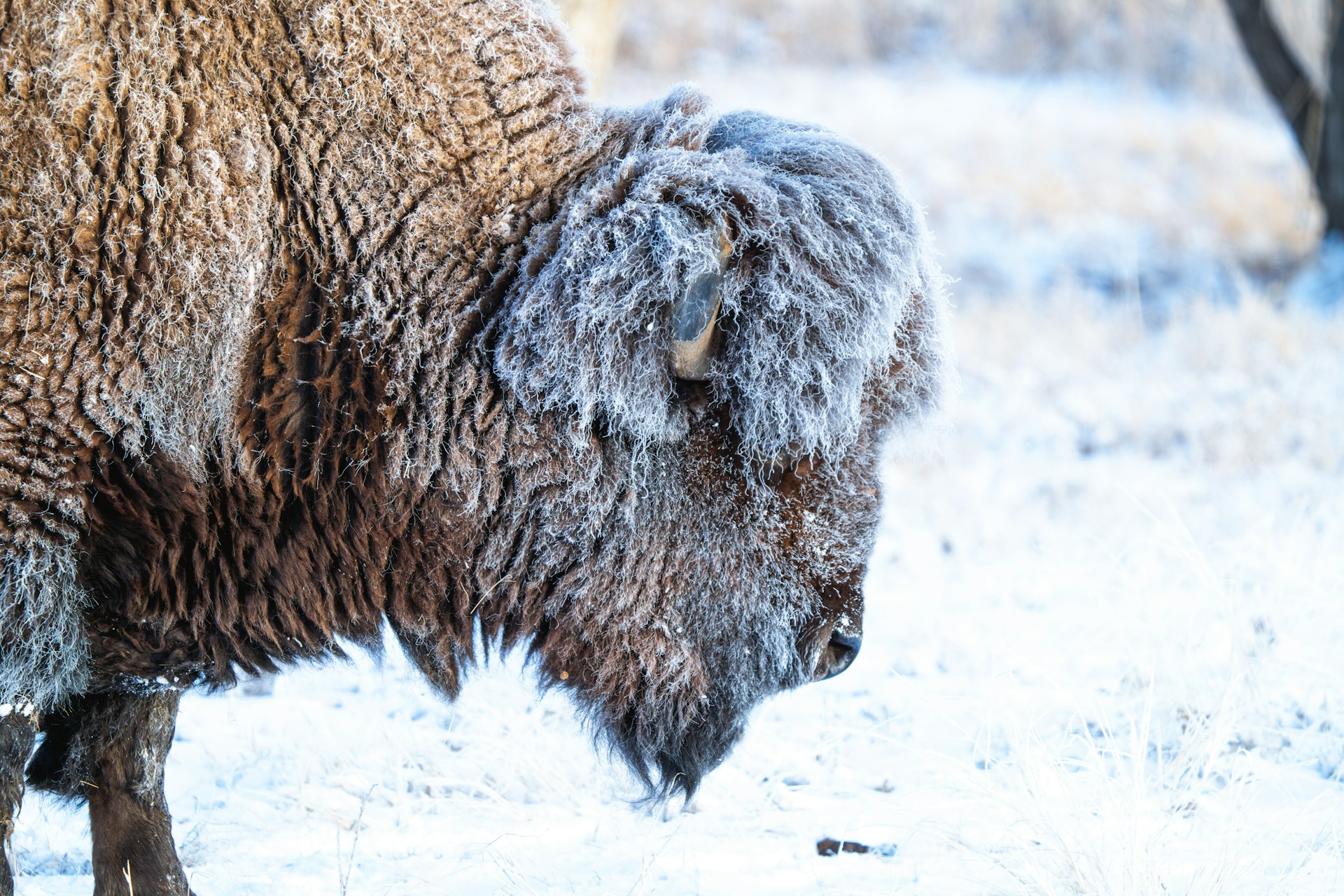
When a roaming herd of bison becomes an investable asset class (generating measurable biodiversity credits, carbon sequestration data, and ecosystem service payments), the economics of coexistence transform. The beast moves from liability to partner. The wild becomes a revenue stream.
This is not altruism. This is the architecture of a new economic paradigm.
The boardroom is the ultimate sterilised landscape. To survive, it must learn to value the chaos it was designed to eliminate.