 Austin Farrington / Unsplash
 The Landscape of Fear: why terror is ecology's greatest architect
A single drop of wolf urine can transform a complacent herd into a hyper-alert unit. Fear does not just kill. It sculpts entire ecosystems.
In ecology, the conventional wisdom was simple: predators control prey by killing them. Fewer wolves, more deer. More wolves, fewer deer. A ledger of bodies.
But the real story is stranger and more profound.
Fear shapes landscapes
In the early 2000s, ecologist John Laundre proposed a concept that would reshape conservation science: the Landscape of Fear. His insight was that a predator’s greatest tool is not its teeth, but the terror it inspires.
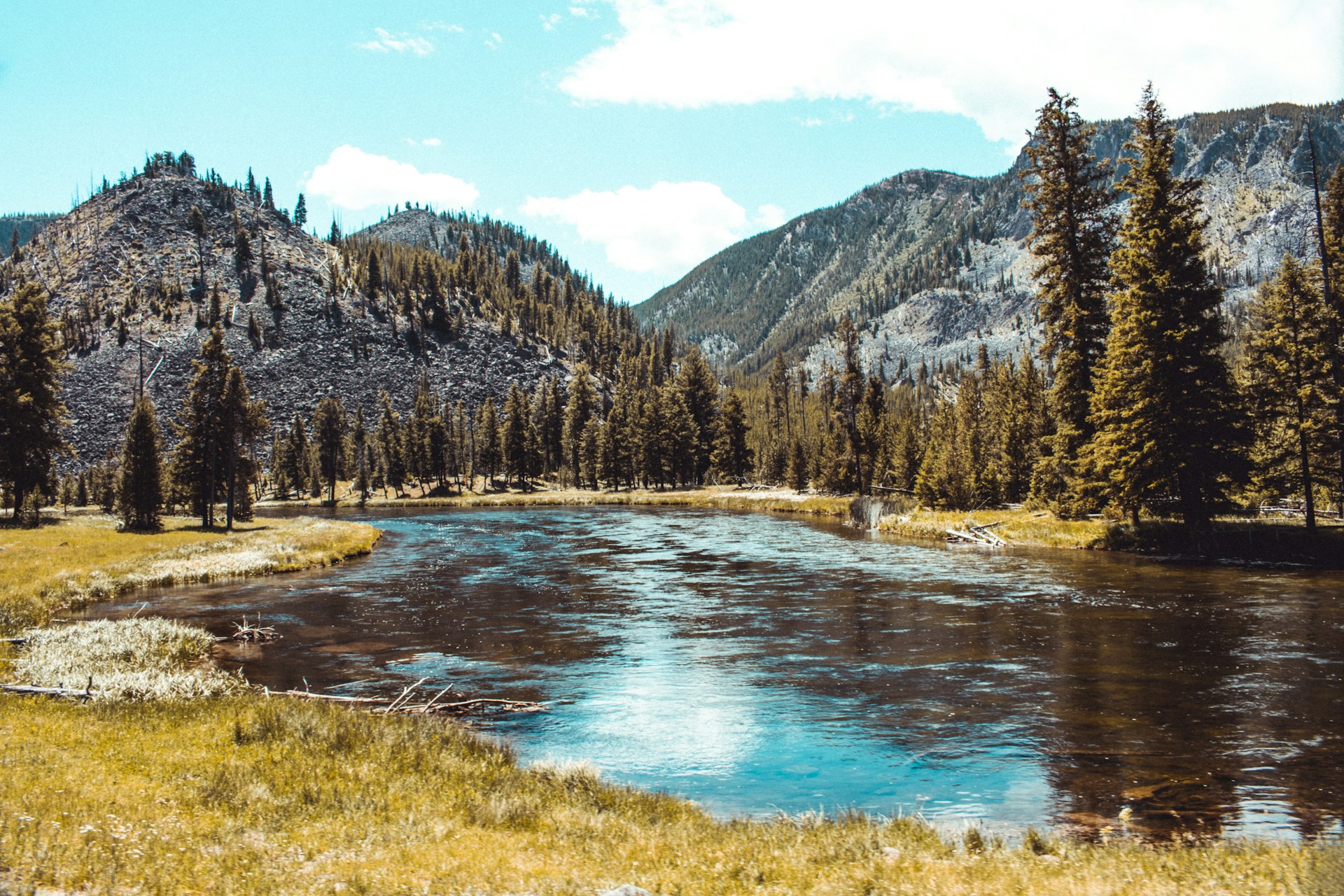
When wolves returned to Yellowstone in 1995, the immediate effect was not a cull. It was a change in behaviour. Elk stopped lingering in the open valleys. They moved faster. They avoided the riverbanks where ambush was likely. Willows and aspens, browsed to stumps for seventy years, began to recover. Songbirds returned. Beavers followed the browse.
This was not population control. This was fear as an ecological force: reshaping vegetation, hydrology, carbon cycling, and biodiversity across an entire watershed.
The Blue Wild
The same principle operates beneath the surface. In Shark Bay, Western Australia, tiger sharks patrol seagrass meadows that store vast quantities of carbon. When sharks are present, green turtles graze cautiously, moving frequently and never overgrazing any single area. The seagrass thrives. The carbon stays locked in the sediment.
Remove the sharks, and the turtles become complacent. They graze the meadows to destruction. The carbon releases. The ecosystem collapses.
The shark is not just a predator. It is a carbon guardian.
The paradox
We eliminated predators to feel safe. In doing so, we removed the very mechanism that maintained ecological resilience: the creative, generative force of fear.
Without the wolf, the deer strip the forest. Without the risk of fire, fuel loads build until the inferno is unstoppable. Without the shark, the carbon escapes.
The task is not to become fearless. The task is to understand that fear in the landscape is a utility, not a pathology.
To fix the climate, we do not just need new technology. We need to reinvest in fear.